What Is Neurofeedback?
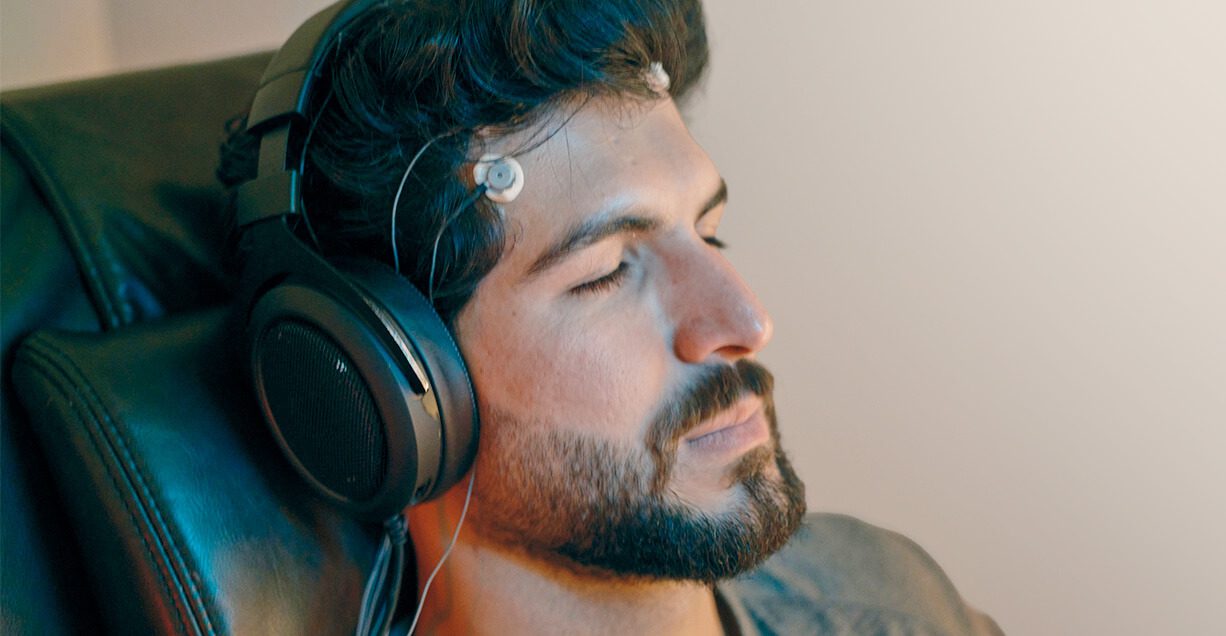
Neurofeedback is a form of biofeedback for the brain. It uses real-time monitoring of your brainwave activity via EEG sensors to provide feedback that teaches your brain how to self regulate.
- NNon-Invasive, Drug Free Treatment
- NImproved Self-Regulation and Mental Clarity
- NSupport for a Wide Range of Conditions
Over time, your brain begins to shift out of dysregulation—like anxiety, fatigue, or overwhelm— and into more balanced and healthy brainwave patterns.
The goal? A stable, calm state of mind—so you can think clearly, feel emotionally balanced, and live with more ease.
What can Neurofeedback help with?
Neurofeedback has been shown to improve or reduce symptoms related to:
- NADHD and Attention Disorders
- NAnxiety and Panic Attacks
- NDepression
- NPTSD and Complex Trauma
- NAutism Spectrum
- NInsomnia and Sleep Issues
- NChronic Stress and Fatigue
- NEmotional Reactivity
- NPhobias and OCD
- NAttachment and Developmental Disorders
- NChronic Pain and Stress-Related Conditions
Why are brainwaves so important?
Your brain operates using electrical rhythms called brainwaves. Each type of brainwave supports different mental, emotional, and physiological functions.
Balancing brainwaves is like tuning an instrument. Neurofeedback gently helps your brain “tune itself” toward calm, clear, and adaptive states.
When these waves are out of balance—too fast, too slow, or incoherent—you may experience:
Trouble focusing
Chronic anxiety
Poor sleep
Mood swings
Disconnection or emotional numbness
Types of Brainwaves
Delta
Deep sleep, immune repair
Theta
Subconscious, creativity, memory
Alpha
Calm alertness, absorption, mental flow
Beta
Focus, logic, executive function
Gamma
Integration, learning, insight, peak performance
The Neurofeedback Methods We Offer
We tailor your brain training program using a variety of scientifically validated approaches.

Infra-Low Frequency Neurofeedback (ILF)
Trains deep regulatory brain functions through extremely slow frequencies. Promotes emotional regulation, stability, and calm.
Best for:
- Trauma
- Anxiety
- Stress
- ADHD
- Personality Disorders
- Developmental Disorders
Low Energy Neurofeedback System (LENS) Neurofeedback
Uses ultra-low electromagnetic signals to reset and reorganize stuck brain patterns. Sessions are brief, powerful, and require no screen or sound. Excellent for sensitive nervous systems, concussions, fatigue, or overstimulation.
Best for:
- Cognitive Fog
- PTSD
- OCD
- Anxiety
- Depression
- Chronic Pain
Best for:
- Trauma
- Chronic Tension
- Sensitivity
- Emotional Shutdown
Synchrony Training
Produces meditative, unified brain states using fractal visuals and sound. Improves sense of safety and openness in the body.
Best for:
- Social Anxiety
- Attachment Issues
- Mindfulness Enhancement
Alpha-Theta Neurofeedback
Accesses subconscious healing states using guided imagery and binaural beats. Ideal for emotional processing and inner transformation.
Best for:
- Trauma Resolution
- Addictions
- Inner Healing
Biofeedback & Heart Rate Variability (HRV) Training
Syncs breath with heart rhythms for deeper parasympathetic activation. Often used before neurofeedback to enhance brain learning capacity.
Best for:
- Anxiety
- Tension
- Chronic Stress
- Pain
- Migraines
Neurofeedback + Psychotherapy = A Winning Combination

At Newmarket Therapy Centre, we integrate neurofeedback into your psychotherapy journey.
While psychotherapy helps you explore and shift thoughts, feelings, and behaviors, neurofeedback makes your brain more capable of receiving, processing, and integrating those changes. The result is faster, deeper, more lasting healing.
We also combine neurofeedback with:
EMDR Therapy
For trauma, dissociation, and emotional flooding
Cognitive Behavioural Therapy
For anxiety and depression
Dialectical Behavior Therapy
For emotional regulation
Somatic Therapy
For releasing trauma stored in the body
Heart-Centered Coaching
For clarity, creativity, and peak performance
Your Neurofeedback Specialists

Jason Koenigbaur RP, MTS
Service Locations: Newmarket, Aurora (Fridays only)
Jason specializes in advanced neurofeedback approaches including Infra-Low Neurofeedback, LENS, Synchrony Training, Alpha-Theta, and Heart Rate Variability (HRV) Biofeedback. He integrates these methods with psychotherapy to support deep nervous system regulation, trauma resolution, and emotional healing.
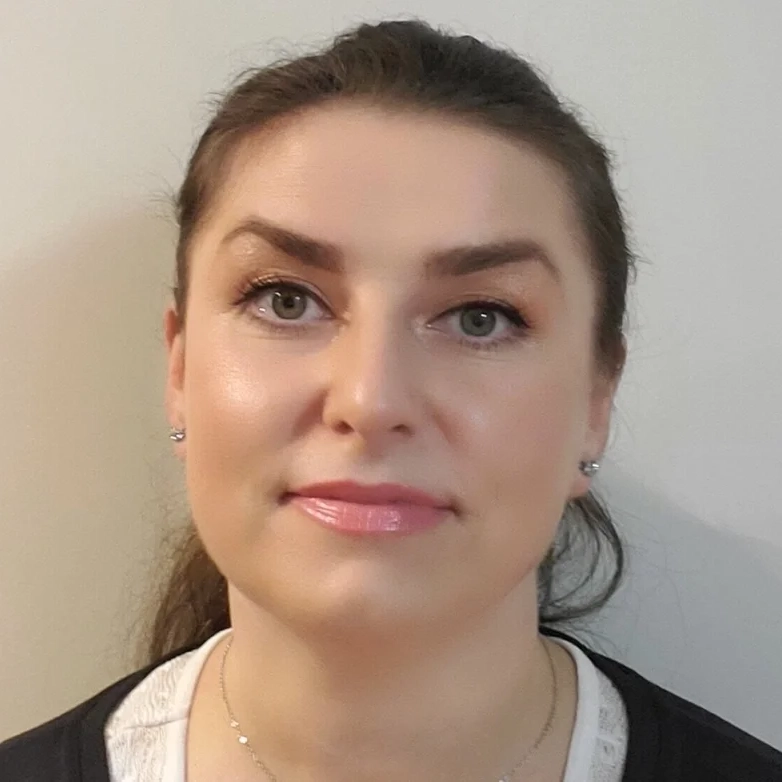
Eva Molawka MSW, RSW
Service Locations: Aurora, Newmarket (Friday only)
Eva is trained in LENS Neurofeedback and Body LENS Therapy, using these gentle, body based approaches to help clients release stored tension, reduce overwhelm, and restore inner calm. Her work is especially supportive for sensitive nervous systems and trauma recovery.
Frequently Asked Questions
Leave blank
How many sessions will I need?
Most people notice improvements within the first 4–6 sessions. For lasting results, a typical program runs 20–40 sessions depending on your goals and symptoms.
Is it safe?
Yes. Neurofeedback is non-invasive and medication-free. We use FDA-cleared systems and tailor treatment to your unique nervous system.
Will I feel anything during the session?
No. Neurofeedback is painless and relaxing. You may feel calmer or more centered after a session, but the learning happens beneath conscious awareness.
What if I’m already on medication?
Neurofeedback can be done alongside medication. Many clients are eventually able to reduce or eliminate medication under their doctor’s supervision.
How does LENS differ from other methods?
LENS is quicker and does not rely on visuals or effort. It’s ideal for sensitive systems, brain fog, fatigue, or clients who struggle with traditional feedback-based training.
Can I do neurofeedback without therapy?
Yes, but we find that combining both creates the most powerful transformation. If you’re already working with a therapist, we can collaborate as part of your care team.
Begin Your Brain Training Journey
If you’re ready to feel calmer, clearer, and more in control—naturally—we’re here to guide you. Whether you’re dealing with chronic anxiety, trauma, ADHD, or simply want to perform at your peak, neurofeedback can help your brain do what it was built to do: heal itself.
Neurofeedback is covered under your insurance when it is used as a tool within your psychotherapy sessions.
Please call the intake department to book a free consultation or learn more about our neurofeedback and therapy programs. Or click here to book an online appointment with our intake manager, Susan Graham.