

What is Gestalt Therapy?
Gestalt Therapy is a humanistic, experiential approach that emphasizes present-moment awareness, authenticity, and self-responsibility. Rather than focusing only on past events or distant goals, Gestalt invites you to notice what is happening right now—your feelings, thoughts, and body sensations—as a path toward growth and healing. This approach helps you integrate parts of yourself that may have been ignored, silenced, or fragmented, so you can live with greater clarity and wholeness.

How does Gestalt Therapy work?
Gestalt Therapy is not about quick fixes—it’s about deepening awareness. In sessions, clients are encouraged to explore their experiences as they unfold in the moment. Through dialogue, creative experiments, and techniques like the “empty chair,” therapy becomes an active process of discovery. Instead of analyzing your struggles from a distance, you live into them during the session, exploring what you feel, how you react, and what meaning emerges. This present-centered exploration often reveals unfinished business from the past, unexpressed emotions, or disowned parts of the self. By bringing these into awareness, clients gain the freedom to make new choices.
Key Principles of Gestalt Therapy
The Paradoxical Theory of Change
Gestalt Therapy teaches that change happens when we stop trying to be someone we are not and instead accept ourselves as we are. This is the paradox: the harder we push to “fix” ourselves, the more stuck we feel. Real transformation begins with awareness and acceptance—when we fully acknowledge our current experience, new possibilities naturally emerge.
Present-Moment Awareness
Gestalt emphasizes here-and-now experience. The present moment is where healing happens. By paying attention to sensations, emotions, and relational dynamics in real time, clients develop deeper awareness of their needs, boundaries, and patterns. This awareness is what opens the door to growth and self-responsibility.
Creative Adjustment
As children, we learn creative ways to adapt to our environment. These “adjustments” help us survive difficult circumstances—such as becoming overly pleasing to avoid conflict or shutting down emotions to feel safe. While once useful, these patterns can limit us as adults. Gestalt Therapy helps clients see how these creative adjustments shaped their lives and how they can now create new, healthier ways of relating and coping.
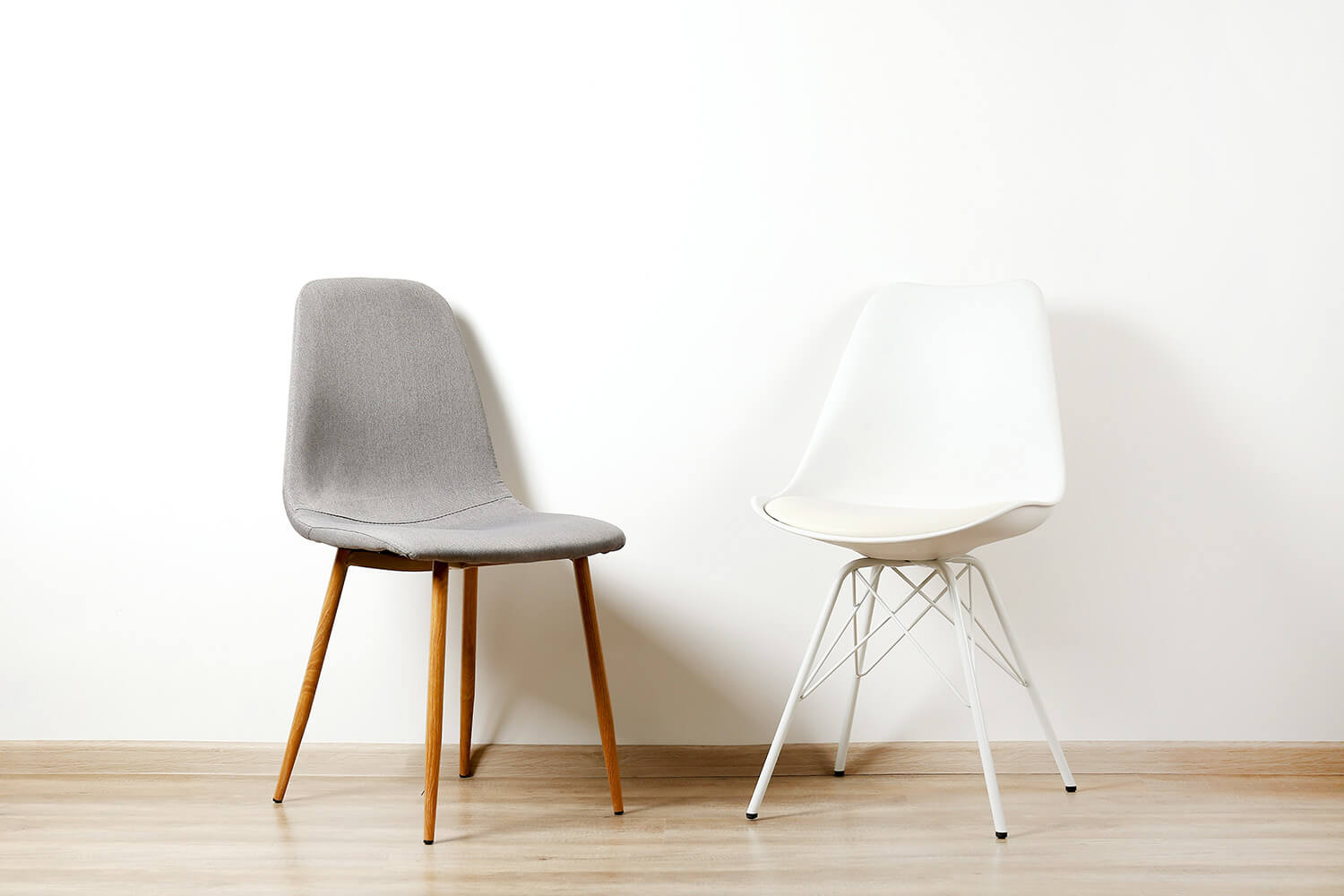
Chair Work and the Empty Chair Technique
One of the most well-known Gestalt methods is chair work. In this process, clients use two chairs to give voice to different parts of themselves or to have an imagined dialogue with another person. For example, one chair may represent a critical inner voice, while the other represents a vulnerable or authentic self. By moving between chairs, clients experience an inner dialogue that brings clarity, integration, and emotional release. The empty chair technique can also be used to work through unresolved feelings toward another person, allowing space for healing and closure.
Why choose Gestalt Therapy?
At Newmarket Therapy Centre, we integrate Gestalt Therapy for individuals seeking deeper self-understanding, healing, and transformation. Whether you’re struggling with anxiety, depression, trauma, or relationship challenges, Gestalt Therapy offers a powerful path toward reconnecting with your authentic self. By embracing awareness, exploring creative adjustments, and engaging in experiential practices like chair work, you can move beyond old patterns and discover new ways of living.
Gestalt Therapy in Newmarket is not about becoming someone different—it’s about becoming more fully yourself. With compassionate support, you can gain the clarity and empowerment needed to make conscious choices, heal from the past, and live more authentically in the present.